Scaling Flagship Experience to a Franchise Model
From Sketches to Spatial Reality
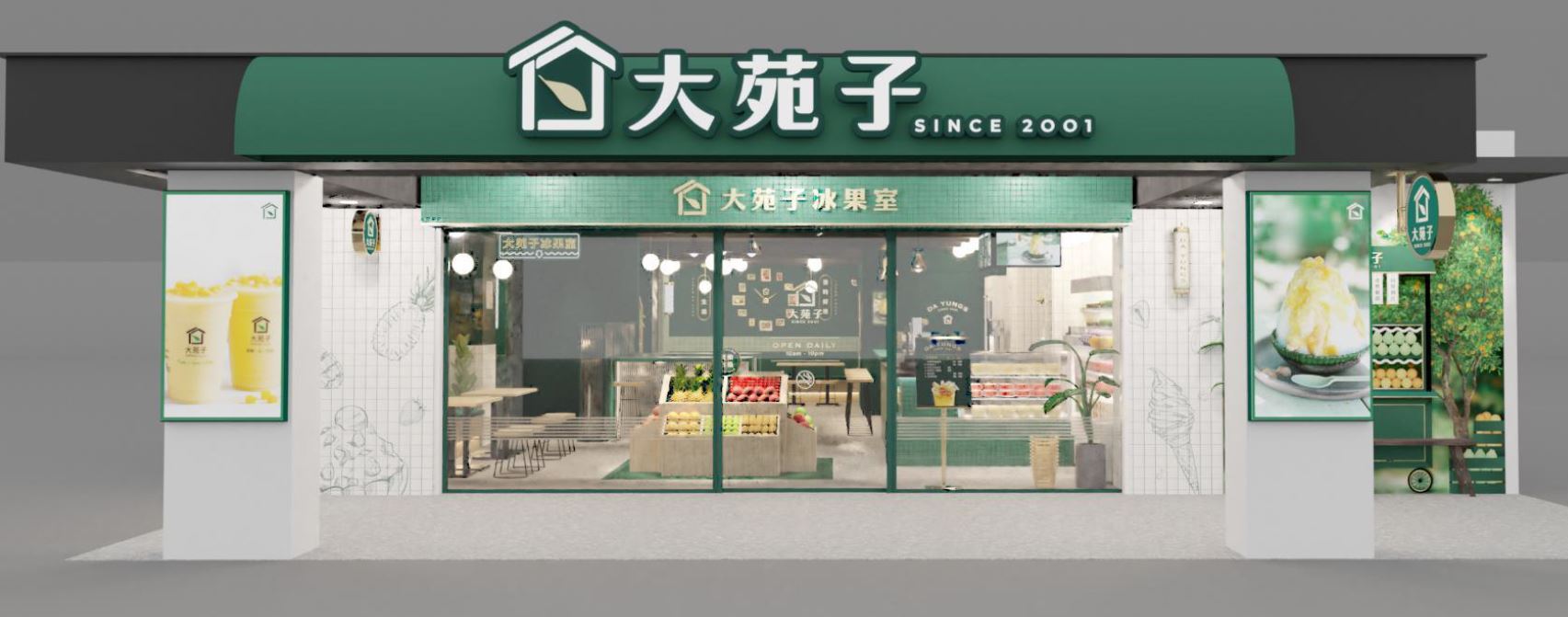
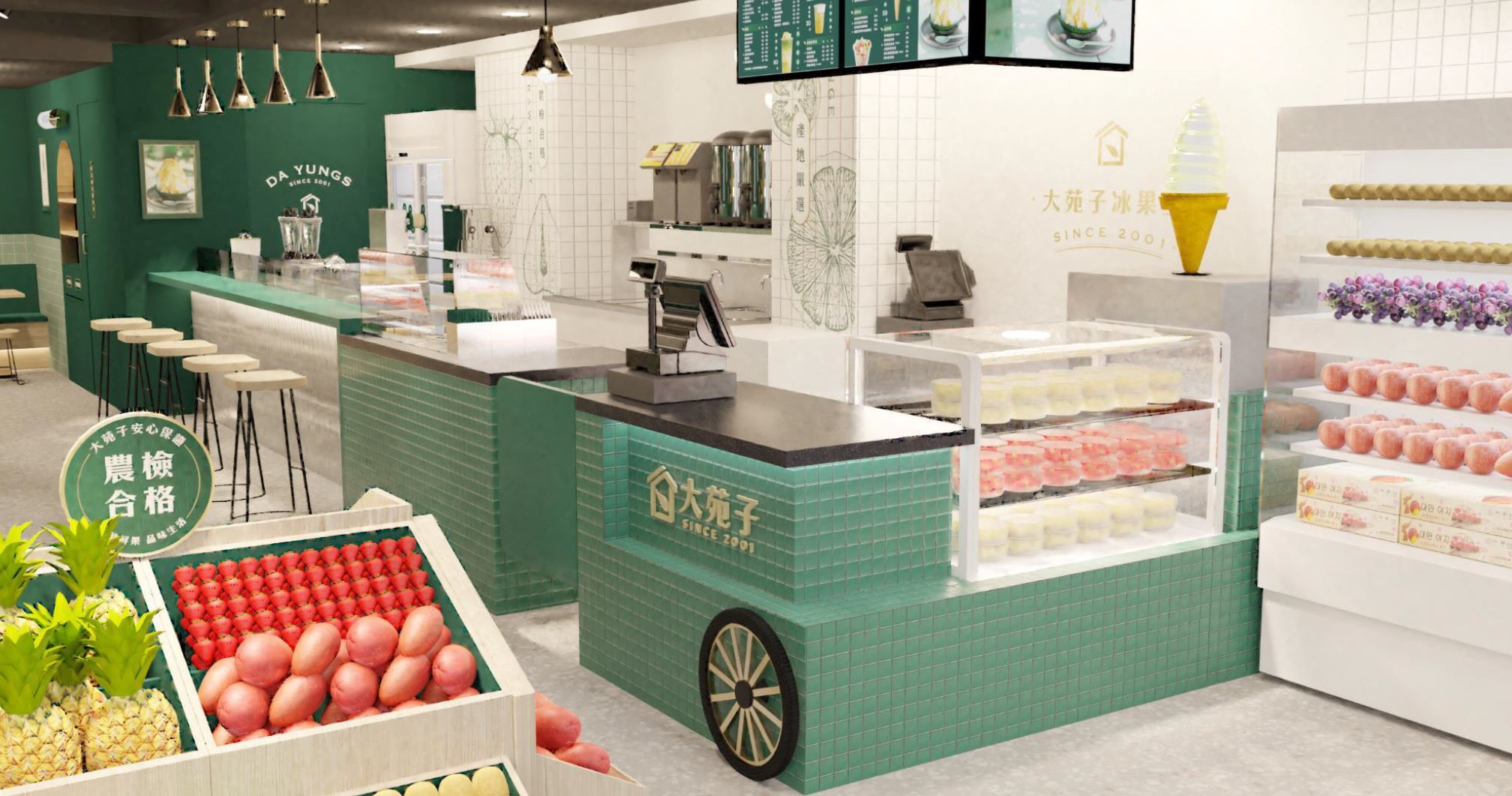
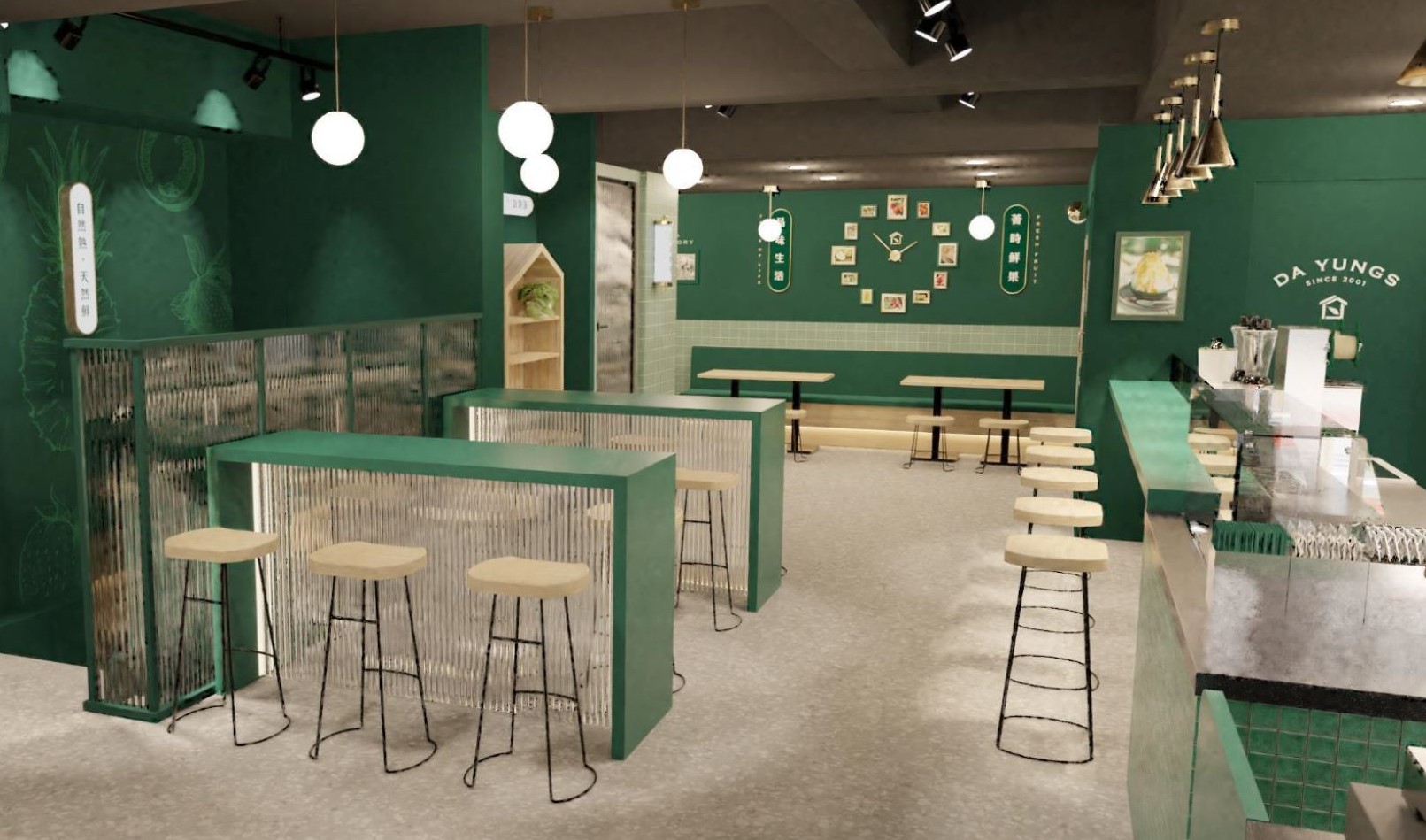
In the midst of the pandemic, our team launched DaYung's "Dream Store"—a flagship experience in Xinyi District, Taipei. Leveraging my 3D visualization capabilities, I played a key role in bridging abstract concepts with spatial reality.
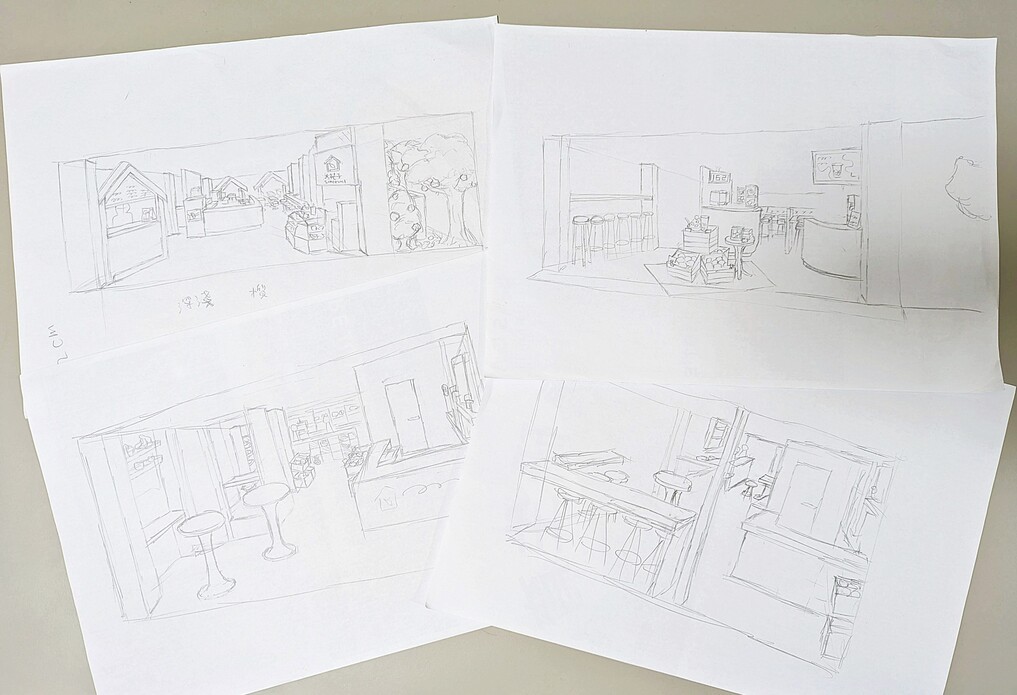
To facilitate early concept validation, I collaborated with a technical partner to directly transform the team’s diverse sketches into high-fidelity 3D prototypes. This allowed the client to evaluate multiple spatial directions to inform subsequent design decisions. Following the selection, I focused on design refinement and implementation, working closely with external specialists to define material specifications and ensure the design was fully buildable.
The Scalability Challenge
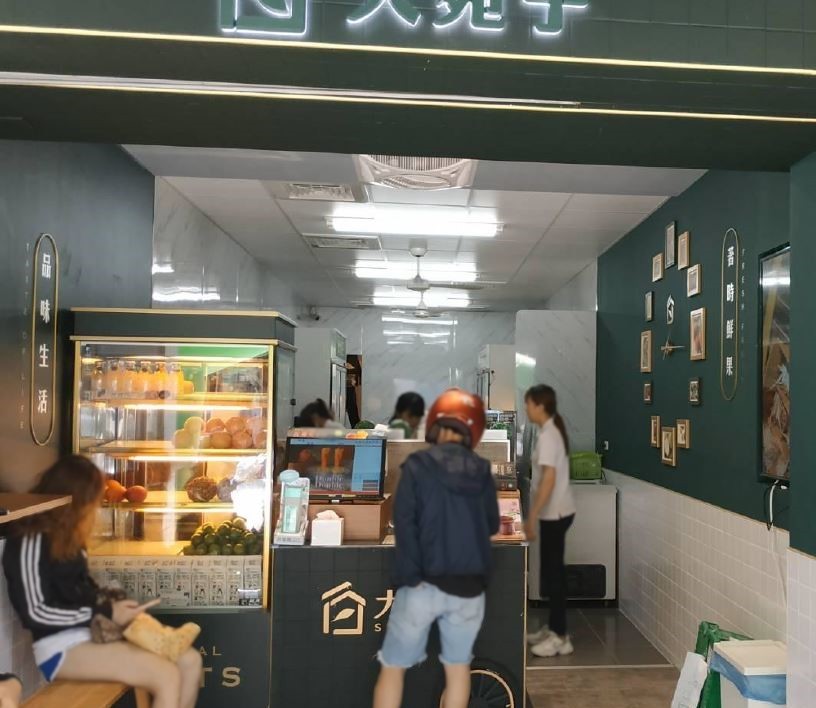
The initial project scope was dedicated solely to creating a unique flagship experience. However, eager to leverage this new identity, the client independently attempted to adapt the design to a franchise store in Chiayi while the flagship was still under construction.
Since no adaptive design system existed yet for standard street-side units, the local execution fell short of brand standards, resulting in a fragmented brand experience.
Diagnosis: From Flagship to Franchise
I was deployed to the site to perform a comprehensive diagnostic. My goal was to identify the root causes of the discrepancies between our design specifications and the actual build.
Recognizing that a direct copy was unfeasible, I pivoted to system optimization. I focused on restructuring the flagship's design language into a practical, scalable standard—ensuring that cost and spatial constraints were met while maintaining a consistent user experience across different store tiers.
Optimizing Process
Analyzing the User Journey
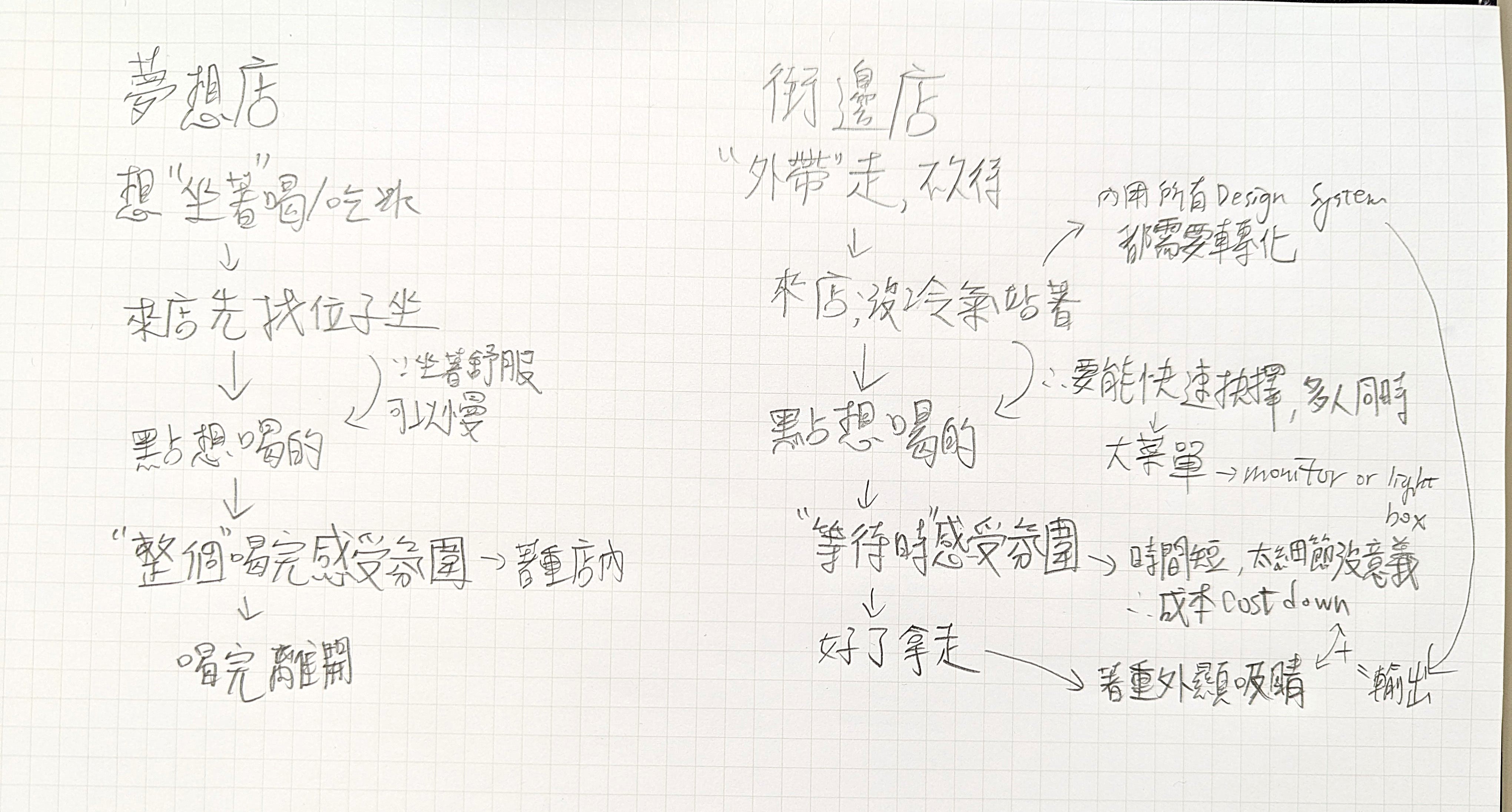
Instead of blindly adapting the design system based on surface-level constraints, I first examined the fundamental difference in the user journey: the transition from an experiential space to a purely functional take-out model.
This shift in interaction models revealed three critical insights:
From Retention to Acquisition: With dwell time reduced to zero, the interior function shifts from creating an immersive atmosphere to maximizing street-side visibility to attract passing traffic.
The "Identity Void" Challenge: The warm wood textures, originally covering 30% of the flagship's interior, could no longer be applied to seating areas. A new strategy was needed to retain this brand warmth in a compact footprint.
Optimizing for Efficiency: "Grab-and-go" customers prioritize speed. This necessitates a high-visibility menu system to reduce decision time and streamline the ordering flow.
Strategic Implementation
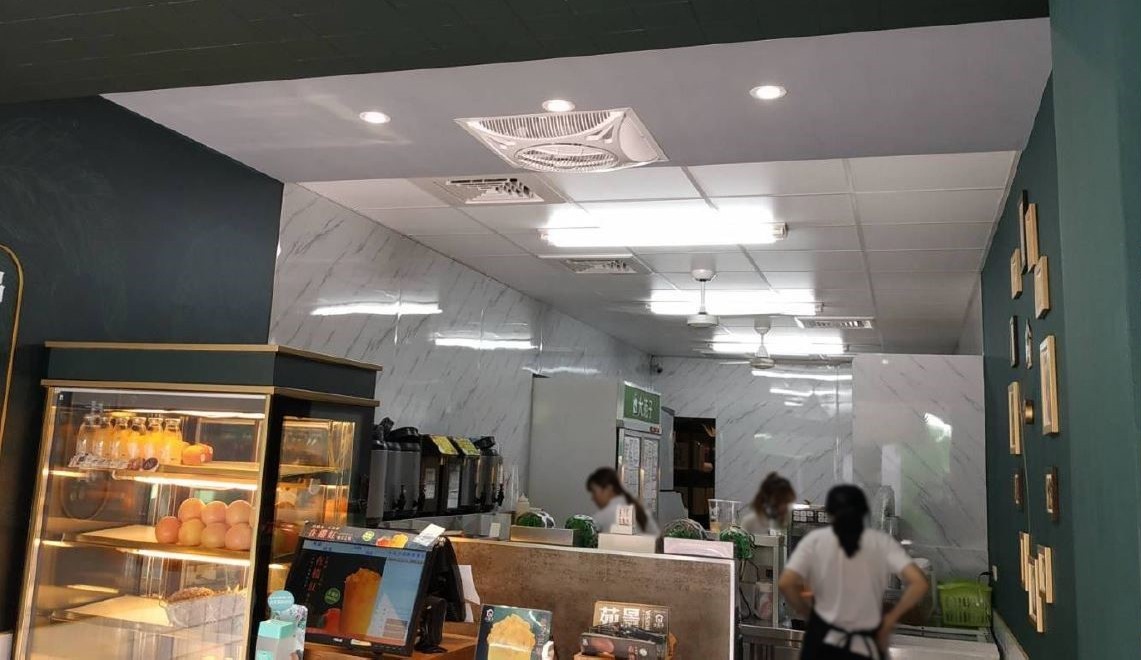
Based on the analysis, I executed three specific design adaptations to balance brand consistency with the franchise model's constraints:
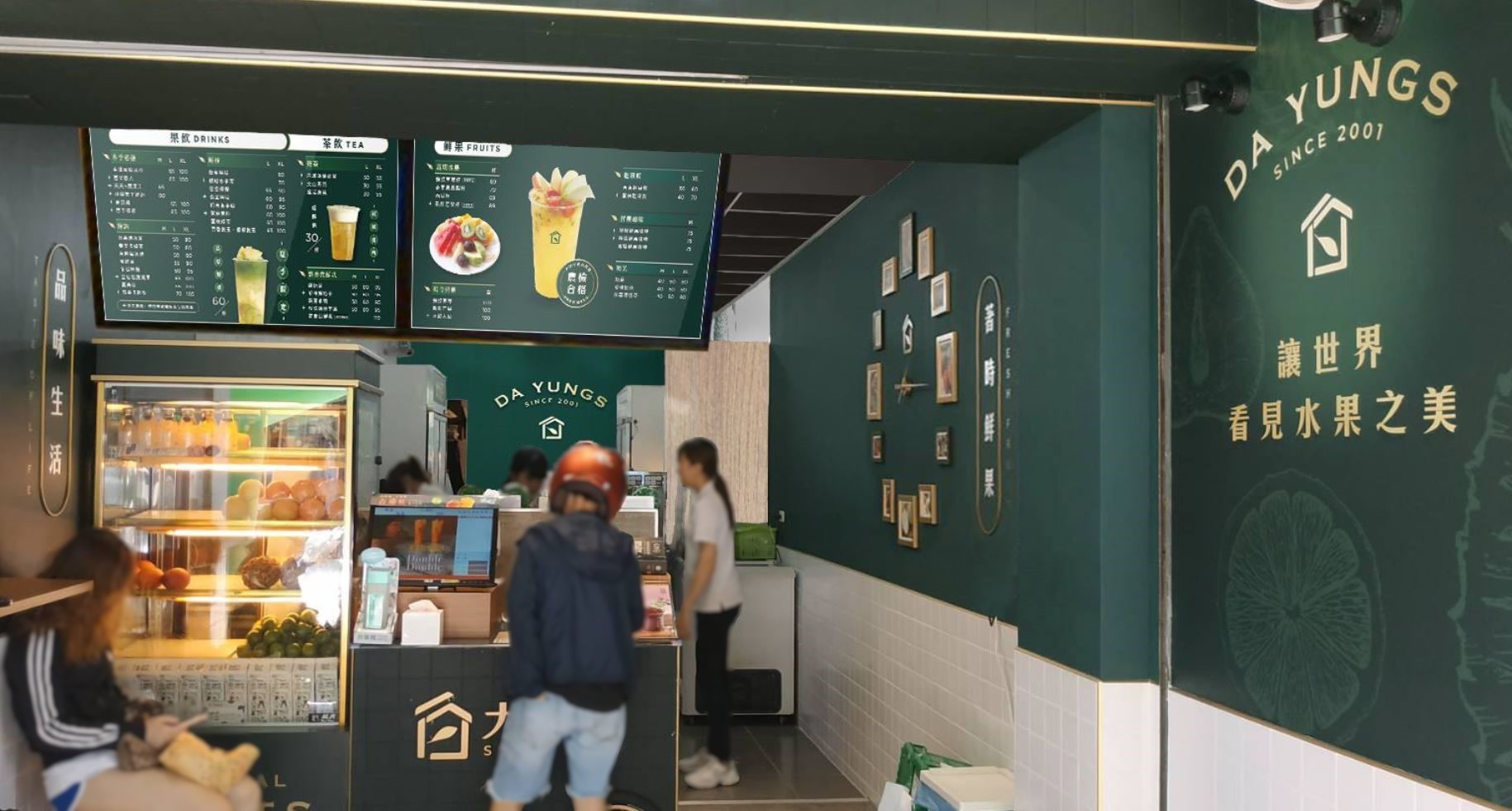
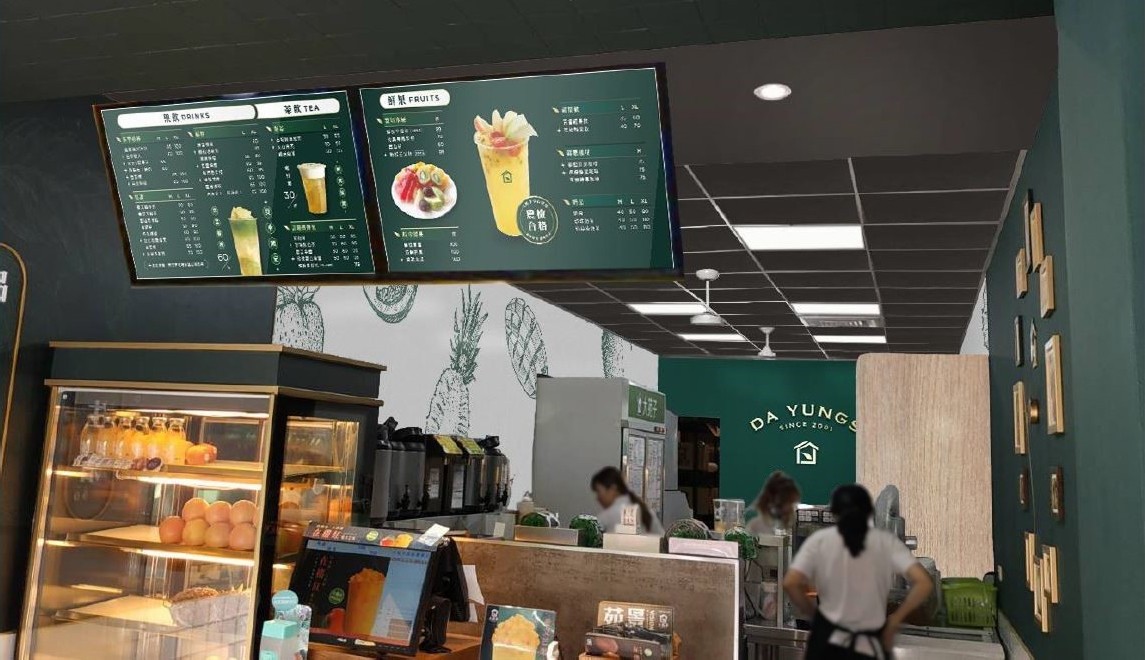
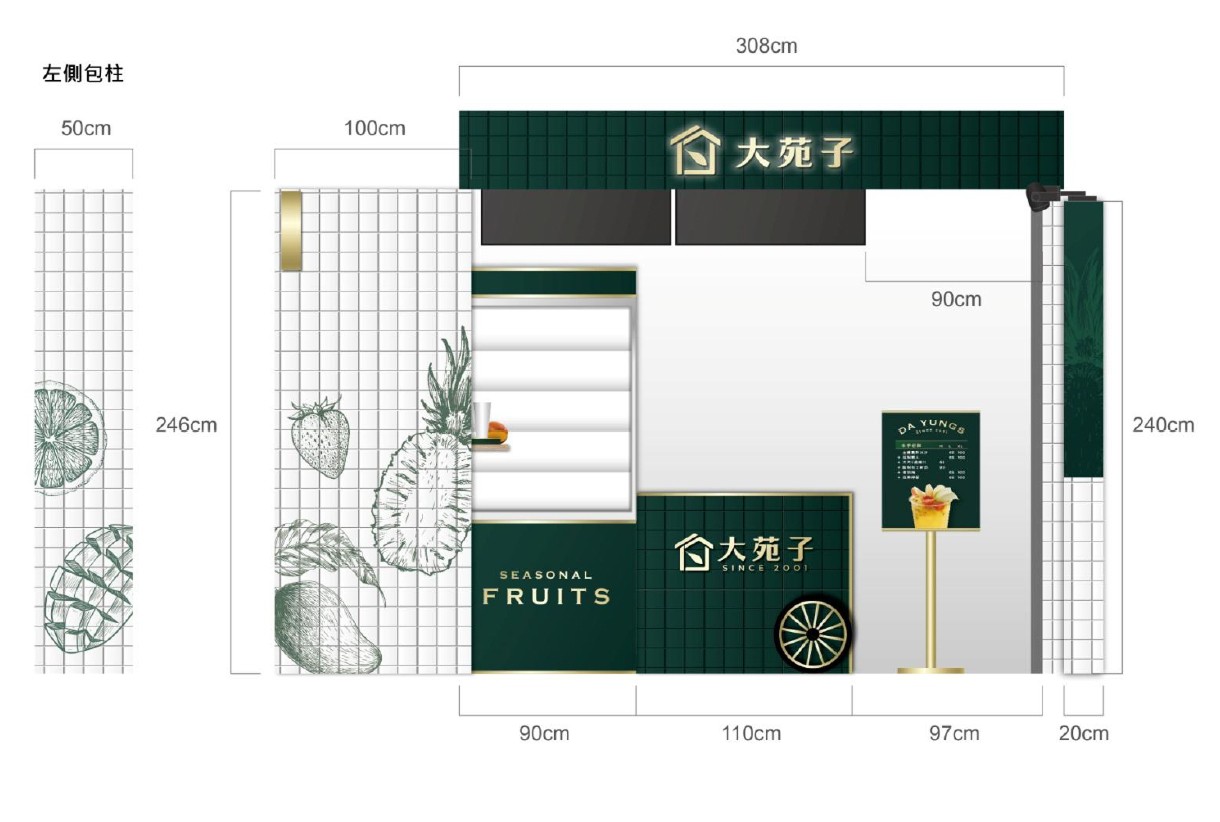
Maximizing Impact at Scale (Addressing "Acquisition"): I replaced the flagship’s high-cost custom fabrication (acrylic cutouts and boutique painting) with matte large-format vinyl wraps. These were applied to the facade columns, achieving maximum visual impact and brand uniformity at a fraction of the cost.
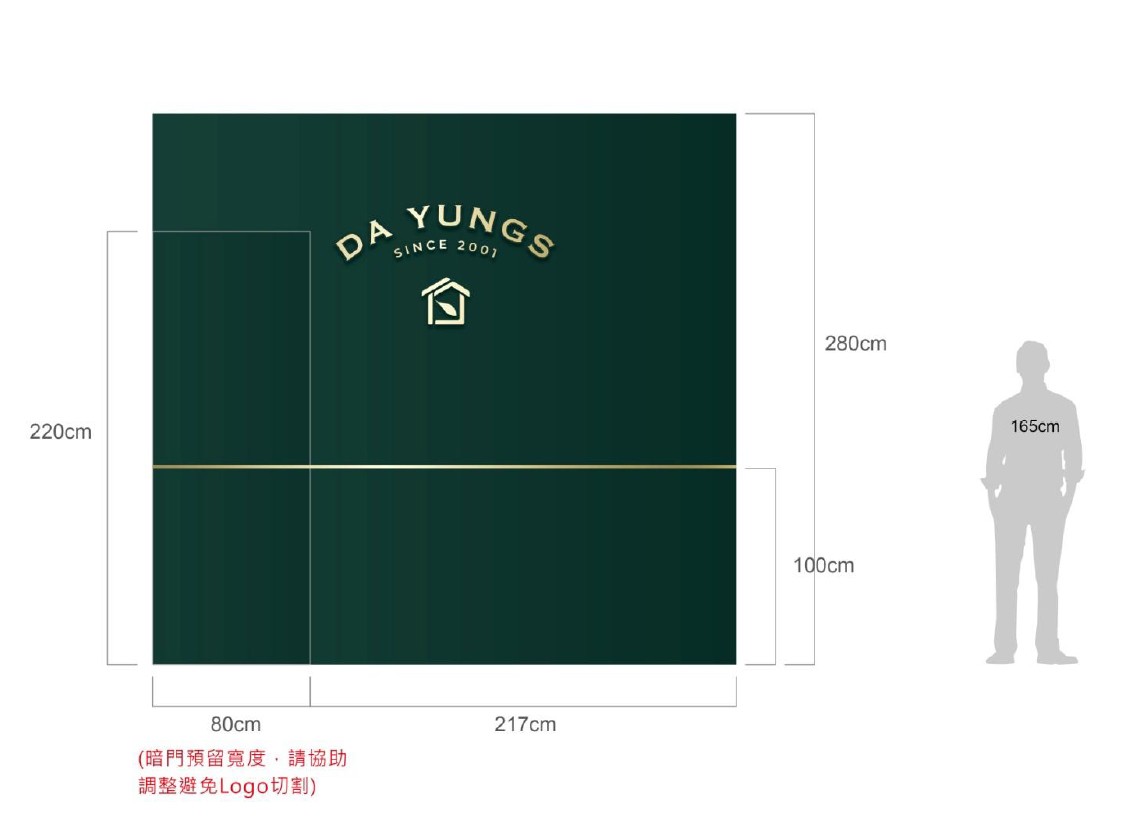
Material Translation (Addressing "Identity Void"): I leveraged a structural feature unique to the street-side unit: the vertical high partitions. By applying wood-grain laminate to these prominent vertical surfaces, I successfully recreated the "30% warm wood" ratio, using the partition as a visual anchor to restore the brand atmosphere.
Digital Integration (Addressing "Efficiency"): Utilizing the high ceiling clearance, I installed suspended digital signage (LCD screens) to display rotating menus and seasonal campaigns. This optimizes the ordering flow while keeping the compact counter space clutter-free.
Bridging Design and Construction
To ensure a rapid and accurate revision, I shifted my communication strategy. Instead of explaining the abstract "Why" (design philosophy) to the construction team, I focused entirely on the "How."
I produced comprehensive interior elevations that defined exact proportions and spatial dimensions. This effectively translated the abstract design language into construction language, eliminating ambiguity and ensured the new strategy was implemented precisely on site.
Impact & Scalability
Following the successful validation of the adaptive system, this new brand identity was rapidly rolled out to franchises across multiple cities, including Kaohsiung, Taitung, and overseas to Hong Kong, proving the framework’s flexibility across diverse markets.
Interestingly, the value of our parallel prototyping strategy extended beyond the flagship. Several alternative design concepts—though not selected for the Dream Store—were effectively repurposed to define the interior identity for DaYung's expansion into the U.S. market.
Through this strategic scalability, design has become a pivotal tool in accomplishing DaYung's core mission: "Letting the world see the beauty of fruit."
Key Takeaways
Adaptation over Replication: A scalable design system isn't about rigid copying; it's about extracting the core brand identity and adapting it to fit different spatial constraints and cost structures.
Context Drives Materiality: Visual decisions must follow the user journey. Understanding the shift from a "dwell-time experience" to a "grab-and-go efficiency" was crucial in redefining how materials and technology were applied.
The Power of Precise Translation: The gap between design intent and execution is often a communication failure. Shifting from abstract concepts to concrete technical specifications (elevations) is the most effective way to empower local teams and ensure quality.