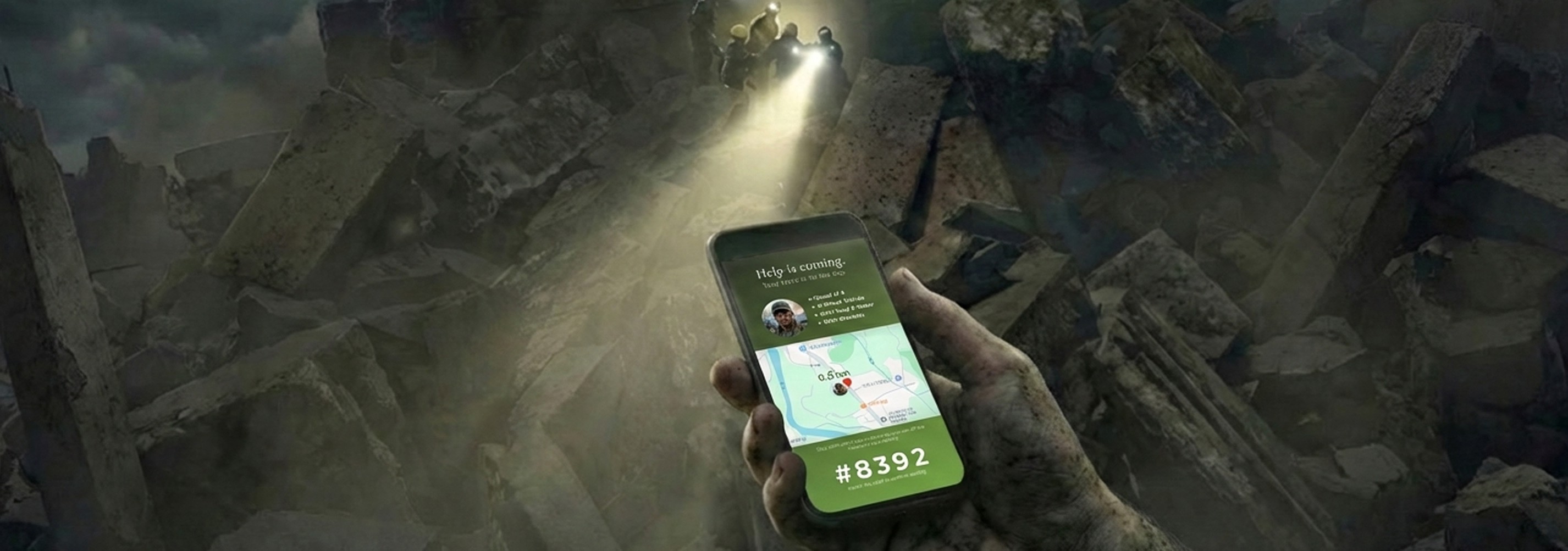
WeHere: Disaster Relief System

WeHere: Disaster Relief System

From "I" to "We": A Journey of Presence

From "I" to "We": A Journey of Presence

Victim + Volunteer = WeHere

Victim + Volunteer = WeHere

In the chaos of disaster, we start as isolated "V"s—
Victims waiting for help, Volunteers waiting to serve.

WeHere bridges the gap, transforming the solitary cry of "I'm Here"
into the collective strength of "We're Here."

In the chaos of disaster, we start as isolated "V"s—
Victims waiting for help,
Volunteers waiting to serve.

This app bridges the gap, transforming the solitary cry of "I'm Here" into the collective strength of "We're Here."

.Date: Nov 2025

.Role: UX Designer

Responsibilities: End-to-End Product Design

.Deliverables: Dual-Sided Mobile App & Web Command Dashboard

Deliverables: Adaptive Design System & Implementation Plans

Deliverables: Adaptive Design System & Implementation Plans

Deliverables: Dual-Sided Mobile App & Web Command Dashboard

.Responsibilities: End-to-End Product Design

The Challenge of Modern Rescue

While many disaster response systems exist today, we still face recurring issues: delays in dispatch, inappropriate resource allocation, and calls for help going unanswered.

To identify the gaps in current solutions, I conducted a competitive audit of two prominent systems: Ushahidi and Facebook Crisis Response.

Ushahidi

(Current Mainstream)

Facebook
Crisis Response

(Social Giant)

Core Logic

Map Visualization

Aggregates data for decision-makers.

Social Feed

Broadcasting safety status & requests.

Dispatch

Passive Mapping

Info is mapped but not assigned.
(Issue: High Friction)

No Dispatch System

Random matching via manual DMs.
(Issue: Random Efficiency)

Verification

Bottleneck

Verifies before publishing,
delaying action.
(Issue: Slow Response)

No Mechanism

Relies on social trust.
(Issue: High Noise Ratio)

Closing Loop

Untracked

Focuses on collection, not resolution.
(Issue: Hard to Track Outcome)

No Status Updates

Users must ask "Is this done?" in comments.
(Issue: No System Feedback)

Barriers

High Tech Threshold

Requires technical resources to deploy.
(Issue: Hard to Manage)

Privacy Risk

Exposes real identities & profiles.
(Issue: Vulnerable Groups)

Ushahidi

(Current Mainstream)

Facebook
Crisis Response

(Social Giant)

Core Logic

Map Visualization

Aggregates data for decision-makers.

Social Feed

Broadcasting safety status & requests.

Dispatch

Passive Mapping

Info is mapped but not assigned.
(Issue: High Friction)

No Dispatch System

Random matching via manual DMs.
(Issue: Random Efficiency)

Verification

Bottleneck

Verifies before publishing,
delaying action.
(Issue: Slow Response)

No Mechanism

Relies on social trust.
(Issue: High Noise Ratio)

Closing Loop

Untracked

Focuses on collection, not resolution.
(Issue: Hard to Track Outcome)

No Status Updates

Users must ask "Is this done?" in comments.
(Issue: No System Feedback)

Barriers

High Tech Threshold

Requires technical resources to deploy.
(Issue: Hard to Manage)

Privacy Risk

Exposes real identities & profiles.
(Issue: Vulnerable Groups)

Core Logic

Map Visualization

Aggregates data for decision-makers.

Social Feed

Broadcasting safety status & requests.

Dispatch

Passive Mapping

Info is mapped but not assigned.
(Issue: High Friction)

No Dispatch System

Random matching via manual DMs.
(Issue: Random Efficiency)

Verification

Bottleneck

Verifies before publishing,
delaying action.
(Issue: Slow Response)

No Mechanism

Relies on social trust.
(Issue: High Noise Ratio)

Closing Loop

Untracked

Focuses on collection, not resolution.
(Issue: Hard to Track Outcome)

No Status Updates

Users must ask "Is this done?" in comments.
(Issue: No System Feedback)

Barriers

High Tech Threshold

Requires technical resources to deploy.
(Issue: Hard to Manage)

Privacy Risk

Exposes real identities & profiles.
(Issue: Vulnerable Groups)

Ushahidi

(Current Mainstream)

Facebook
Crisis
Response

(Social Giant)

How Might We bridge the gap between urgent requests and local aid, creating a system that is faster than official dispatch but more structured and private than social media?

From Research to Insights

Centralized verification creates unavoidable delays. To find a decentralized solution that empowers immediate action, I analyzed historical disaster data and uncovered three critical realities:

These findings lead to one conclusion: Mutual Assistance of Neighbors is Essential. This insight refined the core challenge:

How Might We instantly connect victims with nearby neighbors, and empower survivors to switch roles and help others once safe?

Finally, I defined the goal statement for WeHere:

A hyper-local rescue network that connects victims with neighbors instantly—functioning like an Uber for disaster relief.
The core strategy is to lower the psychological and technical entry barriers for both victims and volunteers.

Structuring the User Flow

To align with WeHere's core strategy, I defined three key Personas representing the distinct roles in a rescue scenario:
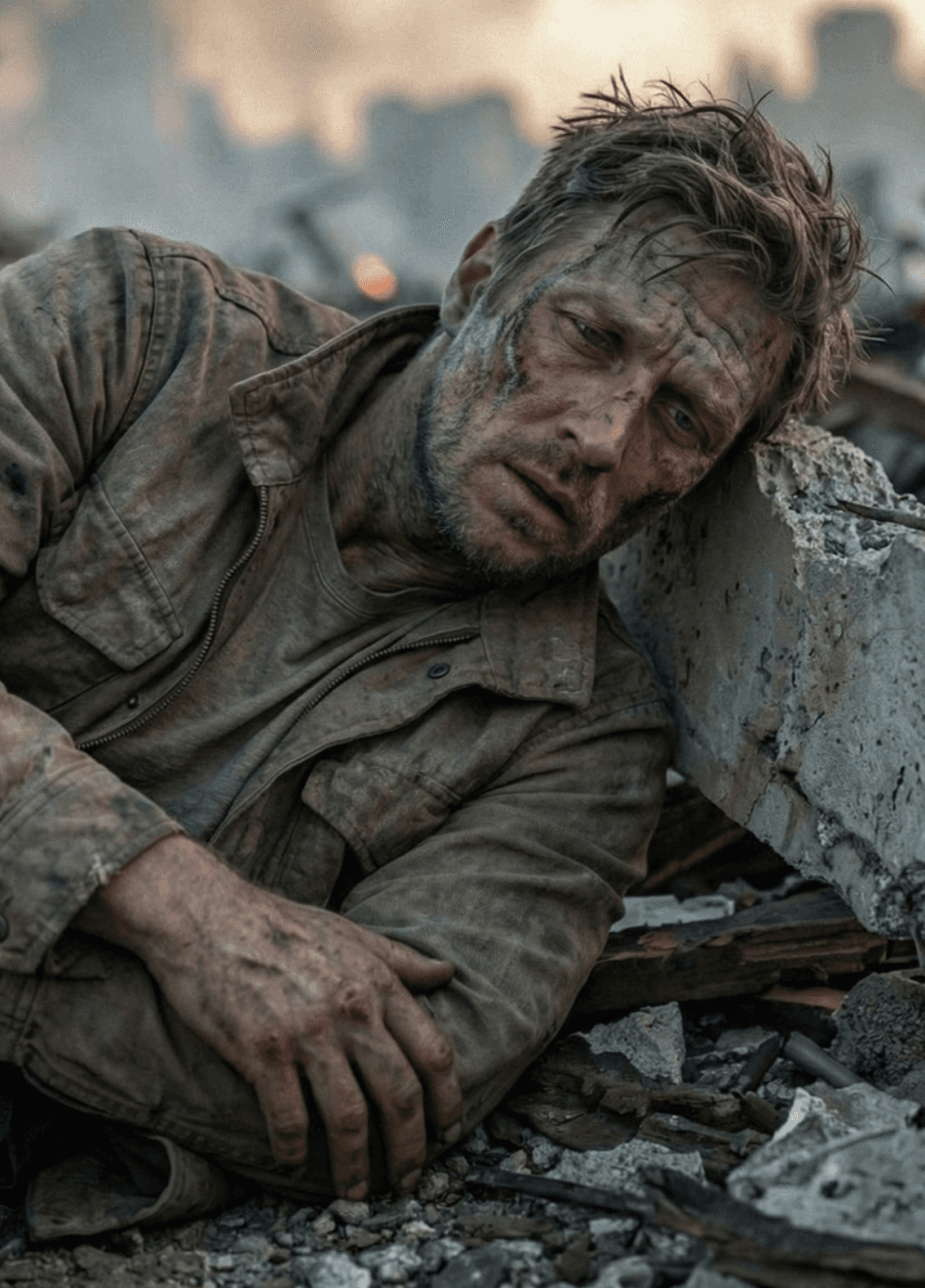
1Hr After Disaster Occurred

Peter Cruise

"Still can't reach 911. It's been an hour...
or maybe longer? I feel like I'm in a blind spot. No one knows I'm here..."

  • Pinned by debris with severe injuries

  • Throat parched, voice too weak to shout

  • Trembling hands, struggling to operate complex UI

  • Terrified of passing out and being missed by the squad

1Hr After Disaster Occurred

Peter Cruise

"Still can't reach 911. It's been an hour...
or maybe longer? I feel like I'm in a blind spot. No one knows I'm here..."

  • Pinned by debris with severe injuries

  • Throat parched, voice too weak to shout

  • Trembling hands, struggling to operate complex UI

  • Terrified of passing out and being missed by the squad

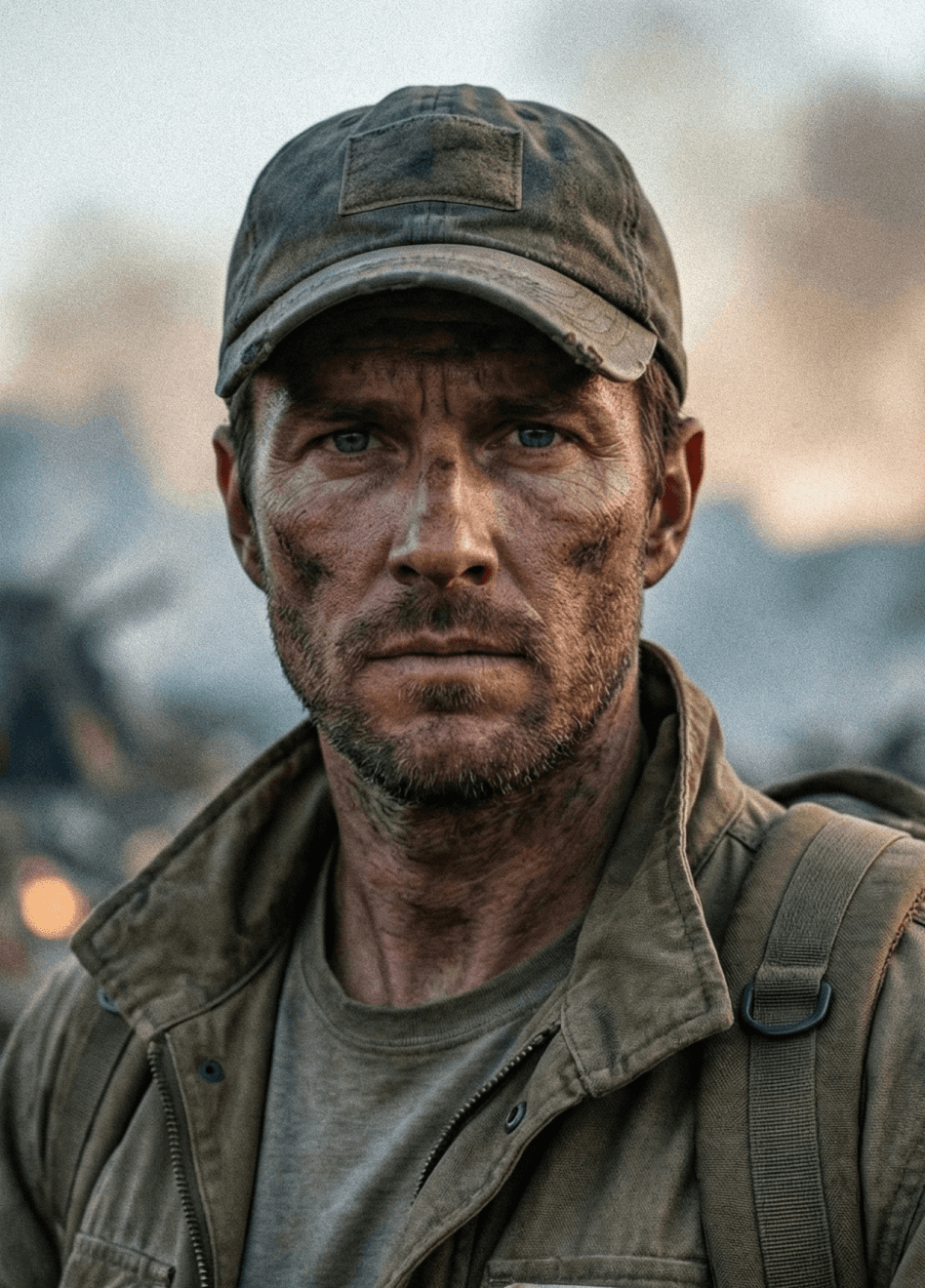
5Hr After Being Rescued

Peter Cruise

"I can't just sit here safely while they are still trapped. I know this building's layout better than any map, I have to help."

  • Fueled by adrenaline, unable to rest

  • Physically stabilized but haunted by survivor's guilt

  • Possesses intimate knowledge of the collapsed structure

  • Switching role from Victim to Volunteer

5Hr After Being Rescued

Peter Cruise

"I can't just sit here safely while they are still trapped. I know this building's layout better than any map, I have to help."

  • Fueled by adrenaline, unable to rest

  • Physically stabilized but haunted by survivor's guilt

  • Possesses intimate knowledge of the collapsed structure

  • Switching role from Victim to Volunteer

One of the Aid Station Commander

Selina Andrew

"I have ten squads and a thousand cries for help. I don't need more data; I need clarity on where to send them right now."

  • Overwhelmed by massive, unverified distress signals

  • Fear of negligence: "What if I miss a critical alert?"

  • Requires a centralized dashboard for total situational awareness

One of the Aid Station Commander

Selina Andrew

"I have ten squads and a thousand cries for help. I don't need more data; I need clarity on where to send them right now."

  • Overwhelmed by massive, unverified distress signals

  • Fear of negligence: "What if I miss a critical alert?"

  • Requires a centralized dashboard for total situational awareness

1Hr After Disaster Occurred

Peter Cruise

"Still can't reach 911. It's been an hour...
or maybe longer? I feel like I'm in a blind spot. No one knows I'm here..."

  • Pinned by debris with severe injuries

  • Throat parched, voice too weak to shout

  • Trembling hands, struggling to operate complex UI

  • Terrified of passing out and being missed by the squad

5Hr After Being Rescued

Peter Cruise

"I can't just sit here safely while they are still trapped. I know this building's layout better than any map, I have to help."

  • Fueled by adrenaline, unable to rest

  • Physically stabilized but haunted by survivor's guilt

  • Possesses intimate knowledge of the collapsed structure

  • Switching role from Victim to Volunteer

One of the Aid Station Commander

Selina Andrew

"I have ten squads and a thousand cries for help. I don't need more data; I need clarity on where to send them right now."

  • Overwhelmed by massive, unverified distress signals

  • Fear of negligence: "What if I miss a critical alert?"

  • Requires a centralized dashboard for total situational awareness

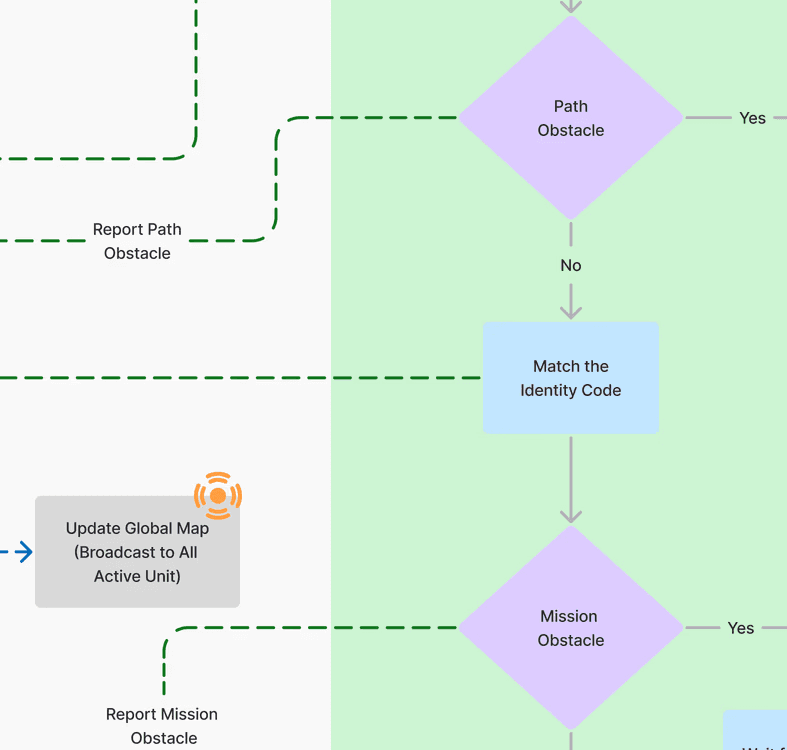
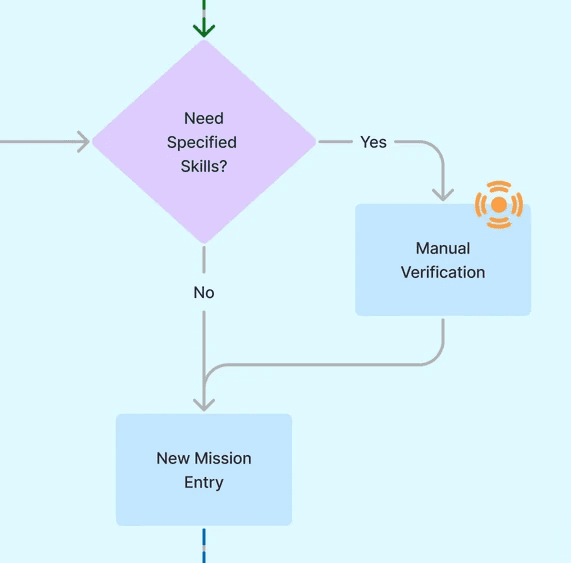
Guided by these personas and their specific contexts, I constructed the comprehensive User Flow. The diagram below details the interaction between roles, the data exchange, and the underlying system logic.
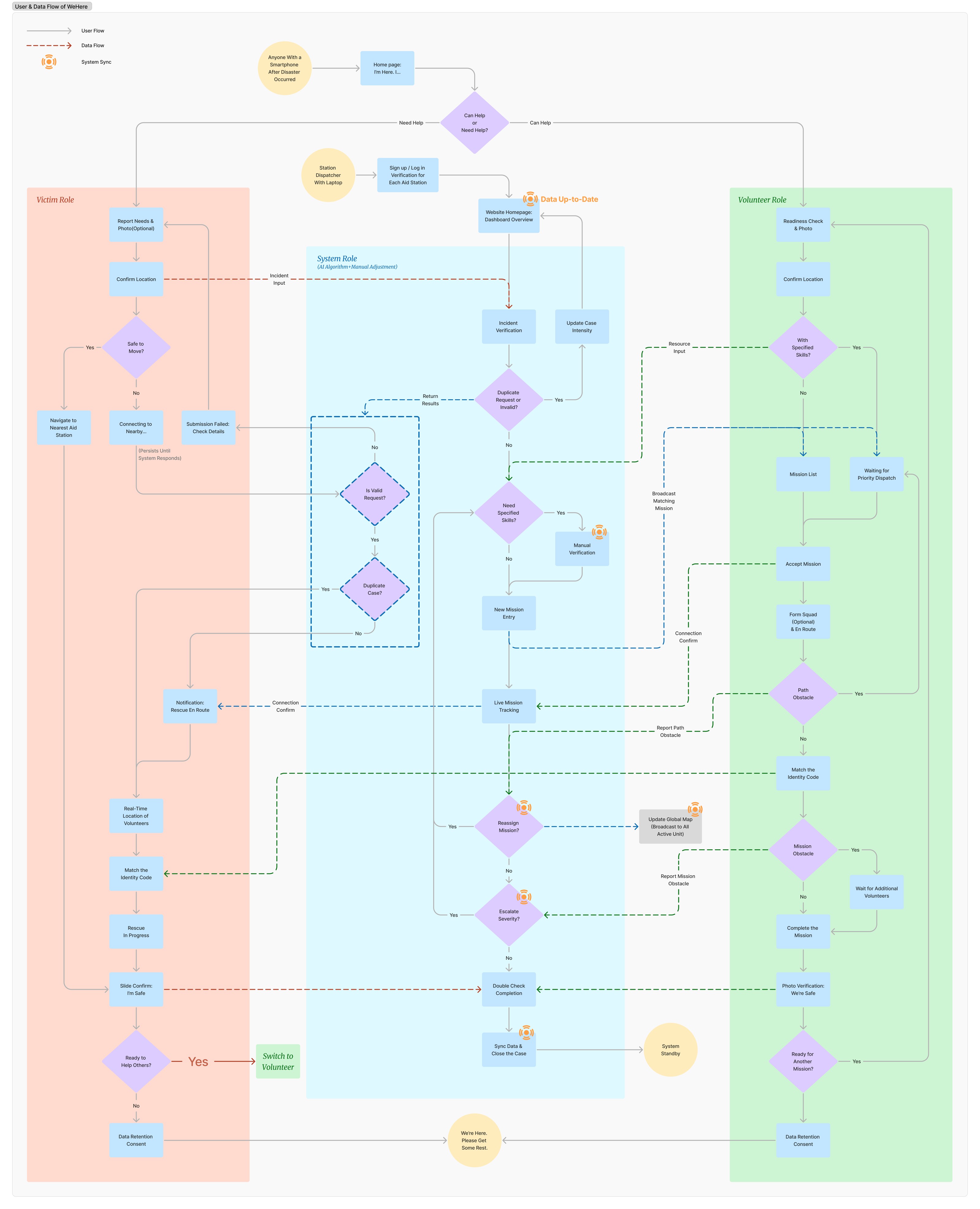
Key Considerations of the Flow
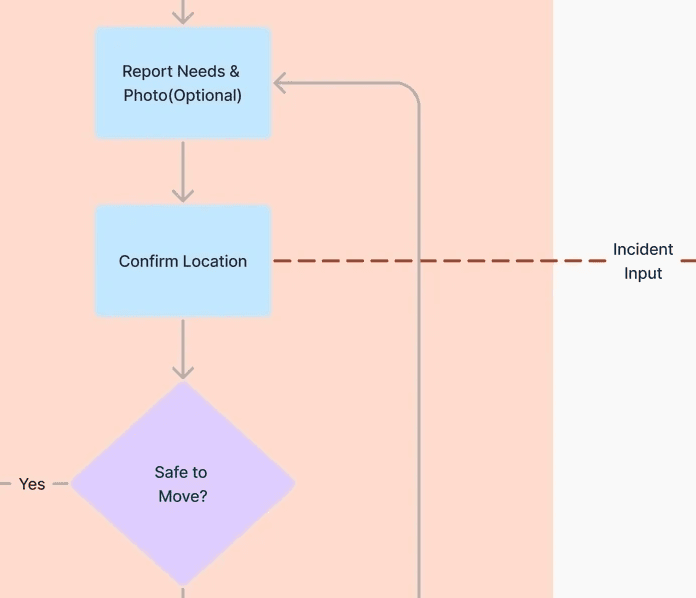
  1. Victim: User-Centric Flow

Instead of prioritizing system efficiency by filtering for mobility status first, WeHere allows victims to report their needs instantly.

This Makes Them Feel Supported,
Not Rejected by the System at the first instance.

To reduce data exchange delay, GPS signals and data processing run in the background while the user is reading and clicking.

Instead of prioritizing system efficiency by filtering for mobility status first, WeHere allows victims to report their needs instantly.

This Makes Them Feel Supported, Not Rejected by the System at the first instance.

To reduce data exchange delay, GPS signals and data processing run in the background while the user is reading and clicking.

  1. Volunteer: Edge Cases

The Rescue Journey Rarely Follows the "Happy Path".

Although the rescue execution is decentralized, synchronizing on-ground data back to the system is critical.

When volunteers report obstacles (e.g., blocked roads), they act as Live Sensors—allowing the commander to update the global map and re-route resources instantly.
  1. System: Human-AI Collaboration

Algorithms Handle the Speed of Data Processing,
But Humans Bear the Responsibility for Lives.

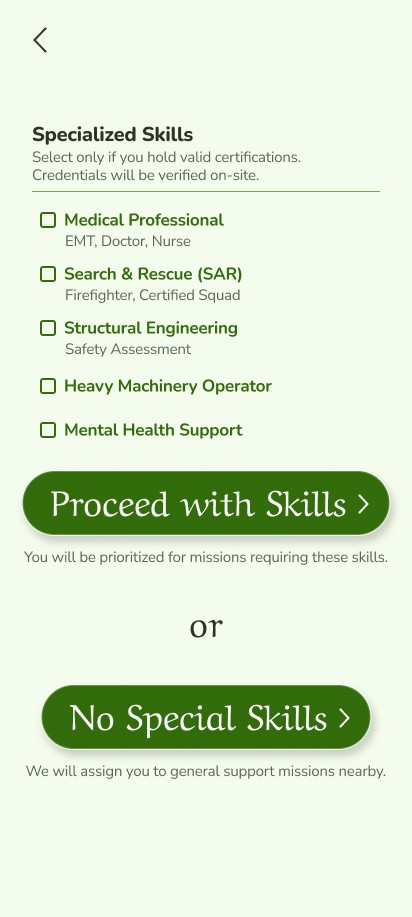
The "Specified Skills" filter acts as a safety firewall. Missions requiring specialized capabilities (implying higher risk or medical complexity) automatically trigger a "Human-in-the-loop" protocol for manual verification, while standard tasks are dispatched instantly.

Algorithms Handle the Speed of Data Processing, But Humans Bear the Responsibility for Lives.

The "Specified Skills" filter acts as a safety firewall. Missions requiring specialized capabilities (implying higher risk or medical complexity) automatically trigger a "Human-in-the-loop" protocol for manual verification, while standard tasks are dispatched instantly.

Design Execution

  1. Homepage: Intuitive Entry Point

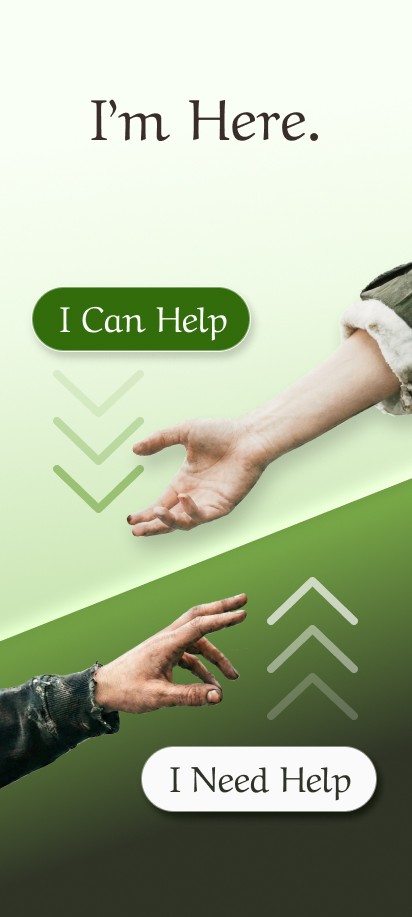
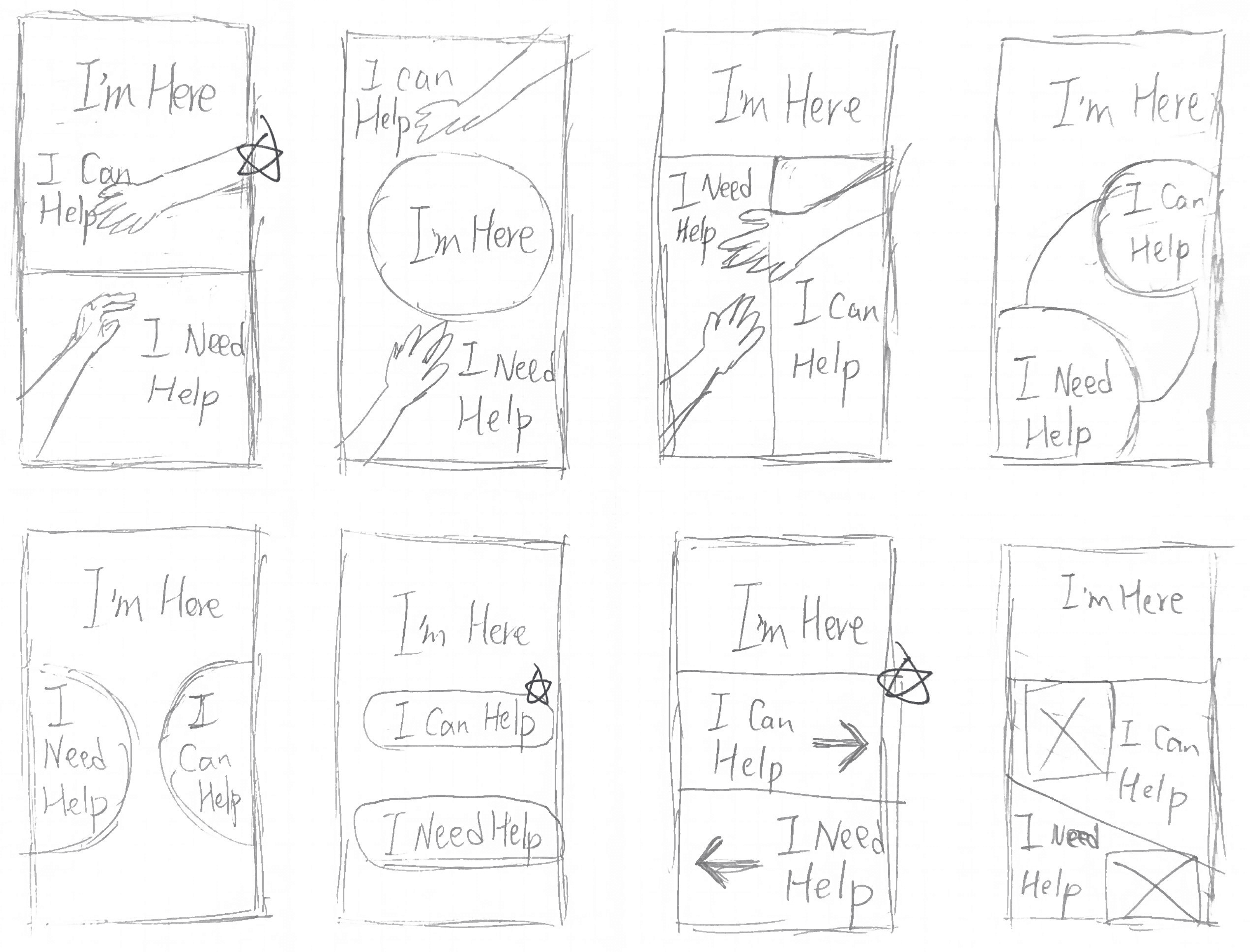
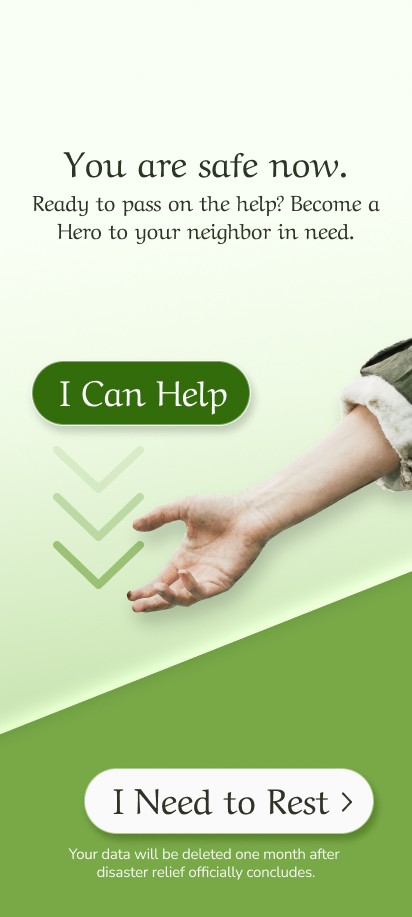
Through Crazy 8s brainstorming, I distilled the homepage design down to three visual pillars:

Hands, Action Buttons, and Directional Flow.

This combination integrates three strategic UX considerations:

  1. High Affordance & Self-Declaration:
    Huge buttons allow for intuitive interaction.
    The explicit self-declaration text helps both roles confirm their status immediately.


  2. Accessibility via Sliding:
    The full-width sliding mechanism creates a massive touch target.
    This is critical for injured or panicked users who may be operating the phone with a single hand.


  3. Directional Metaphor:
    The visuals dictate the action:
    A hand reaching Down invites users to "Help", while a hand reaching Up signals a "Need" for rescue.

  1. Design Trade-offs

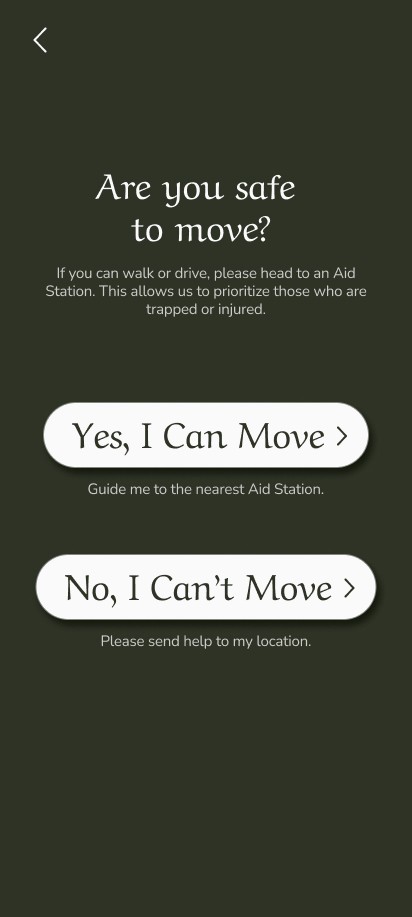
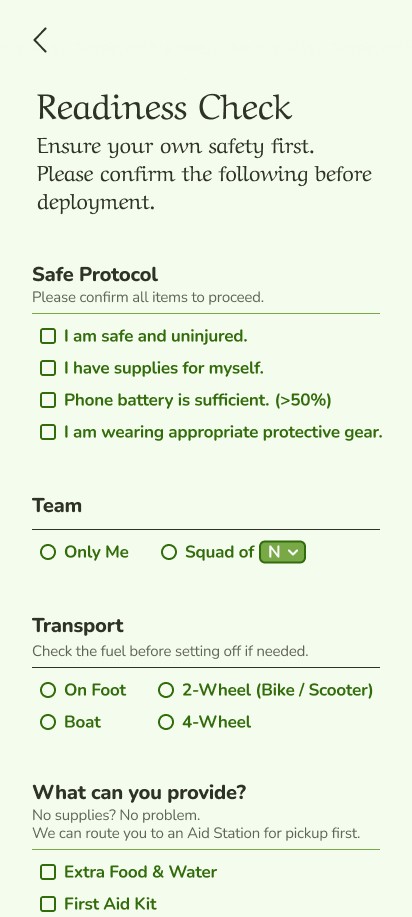
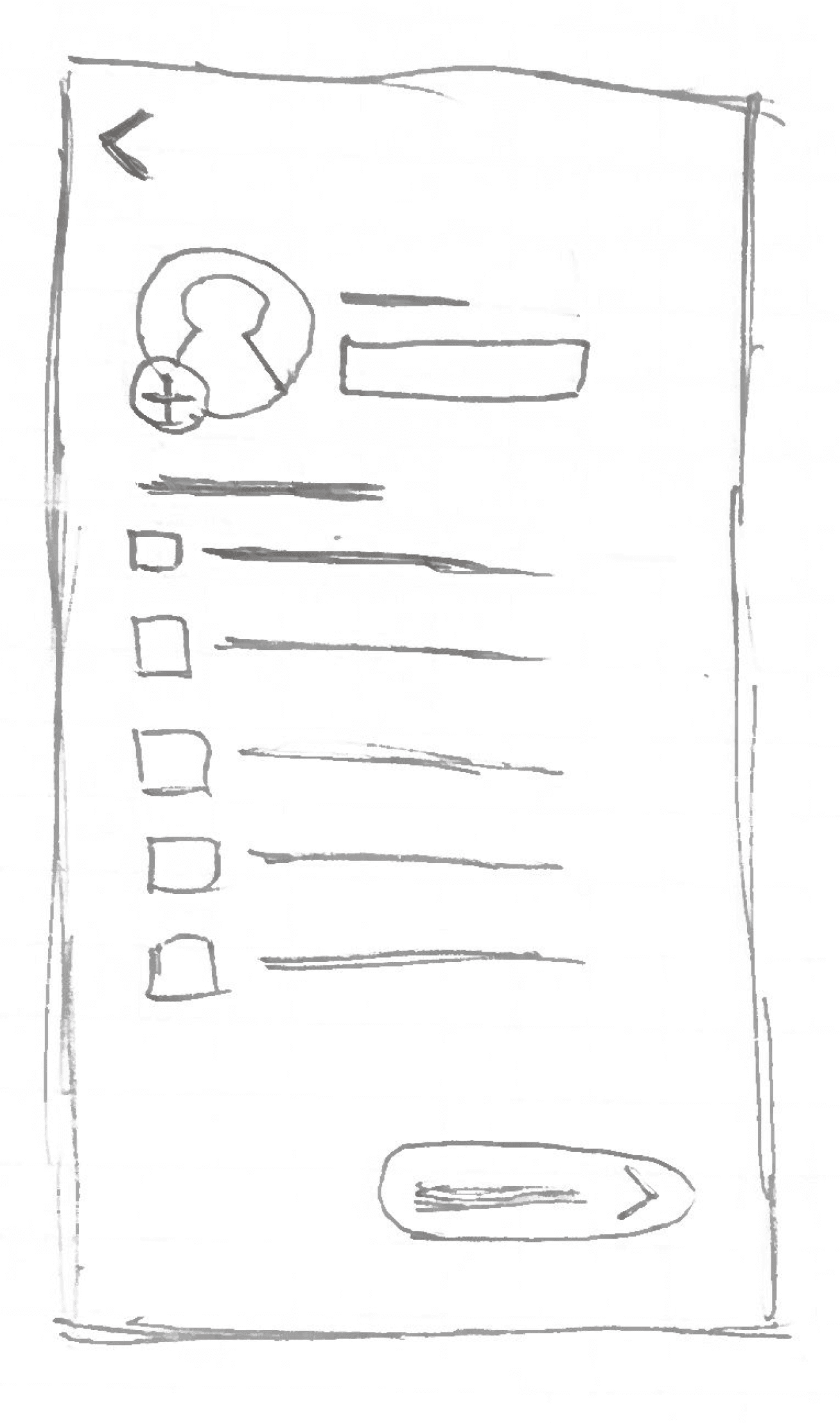
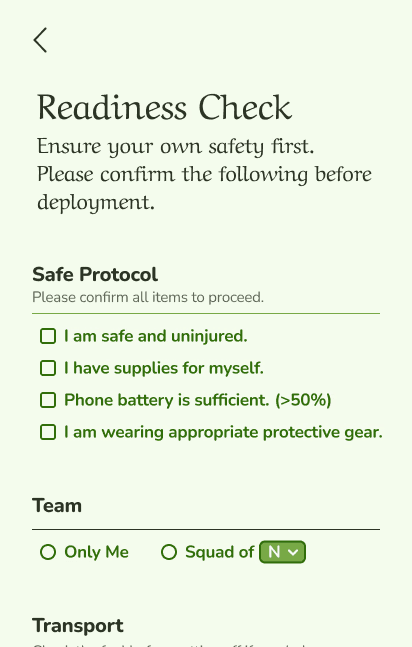
  1. Verify Readiness First
  1. Verify Readiness First

Validating safety status upfront Reduces Friction.
It ensures users don't invest effort in completing a profile if they are currently ineligible for deployment.
b. Rearranging the Navigation

b. Rearranging the Navigation

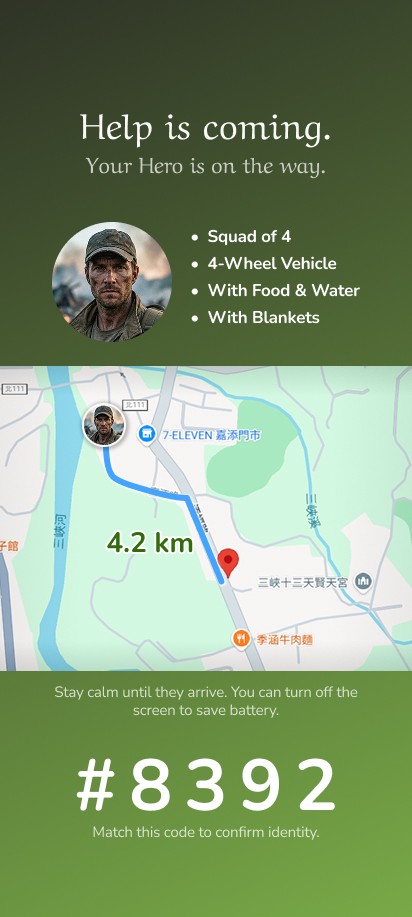
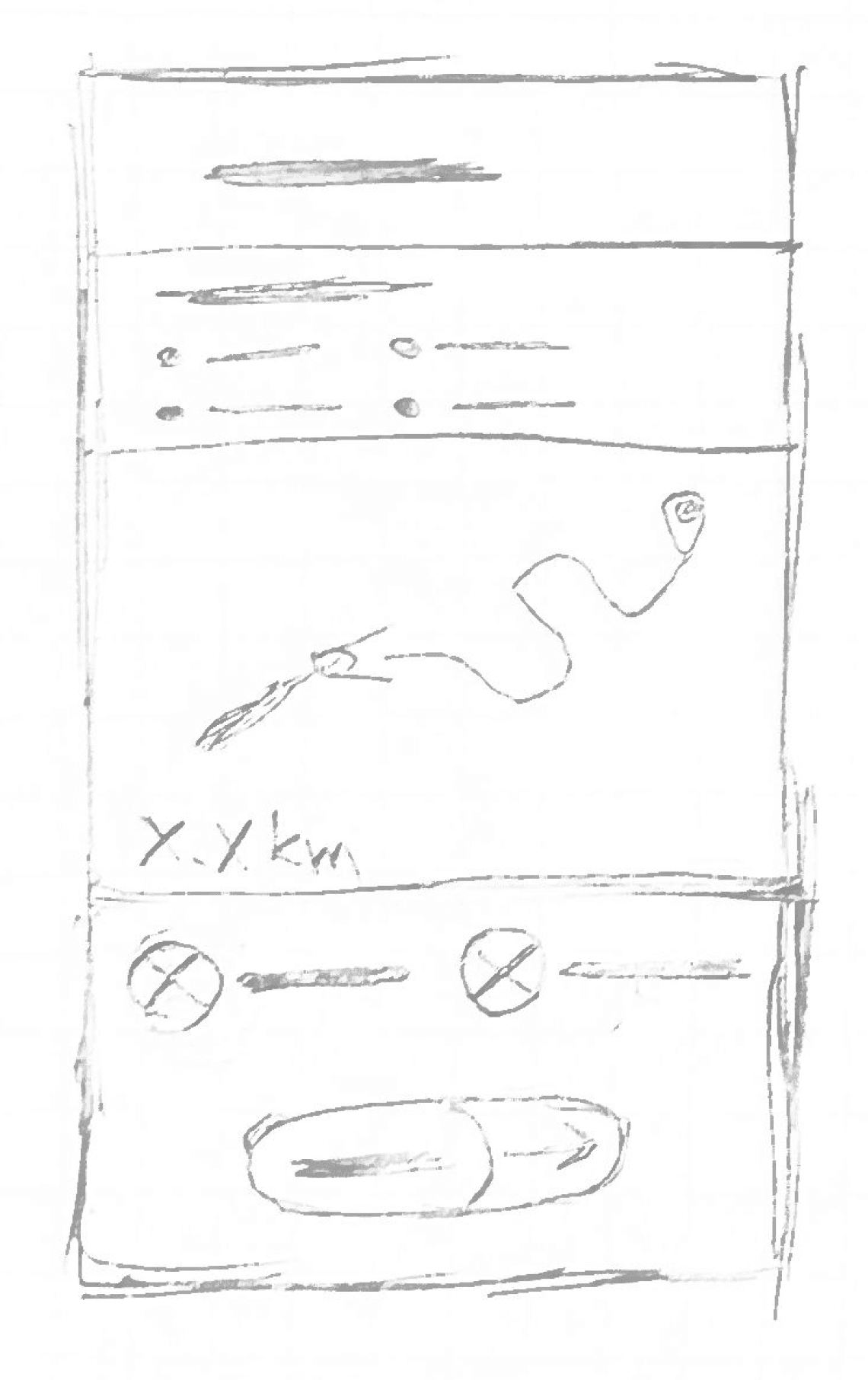
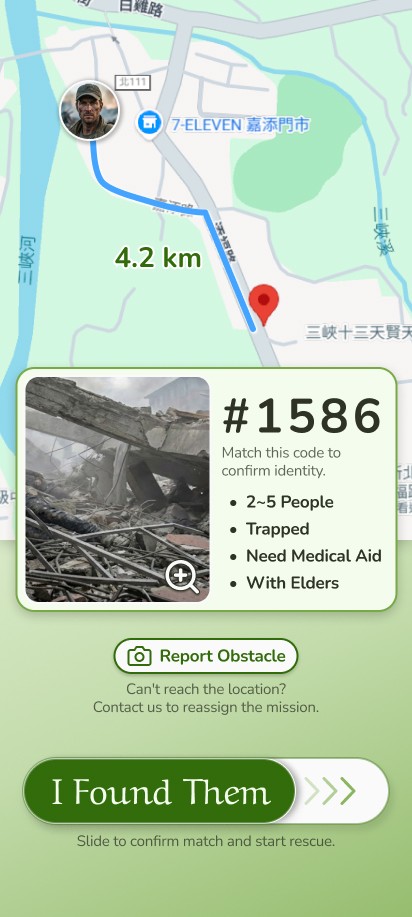
In a rescue scenario, getting there matters most. I redesigned the layout to prioritize the Navigation view, ensuring the Route is the first thing users see.

Mission details are accessible but secondary. Using Gestalt Principles, I organized the UI so that "Where to go" and "What to do" are visually distinct but logically connected.
c. Positive Reinforcement: The Hero’s Journey

c.

c.

Positive Reinforcement: The Hero’s Journey

Positive Reinforcement:
The Hero’s Journey

Positive Reinforcement:
The Hero’s Journey

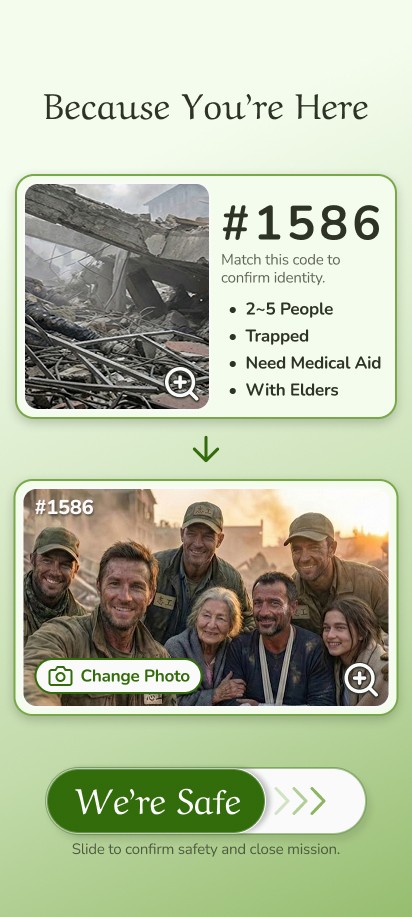
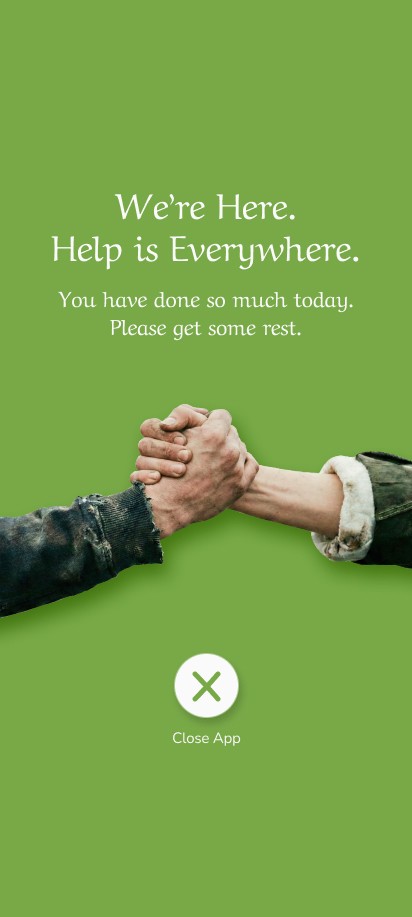
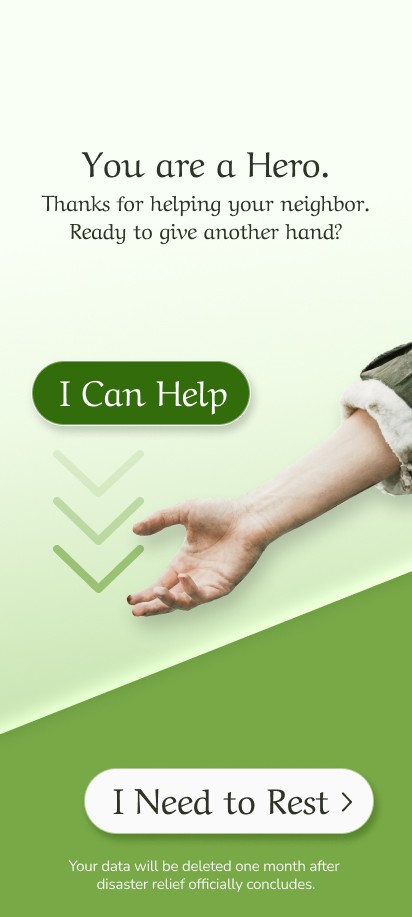
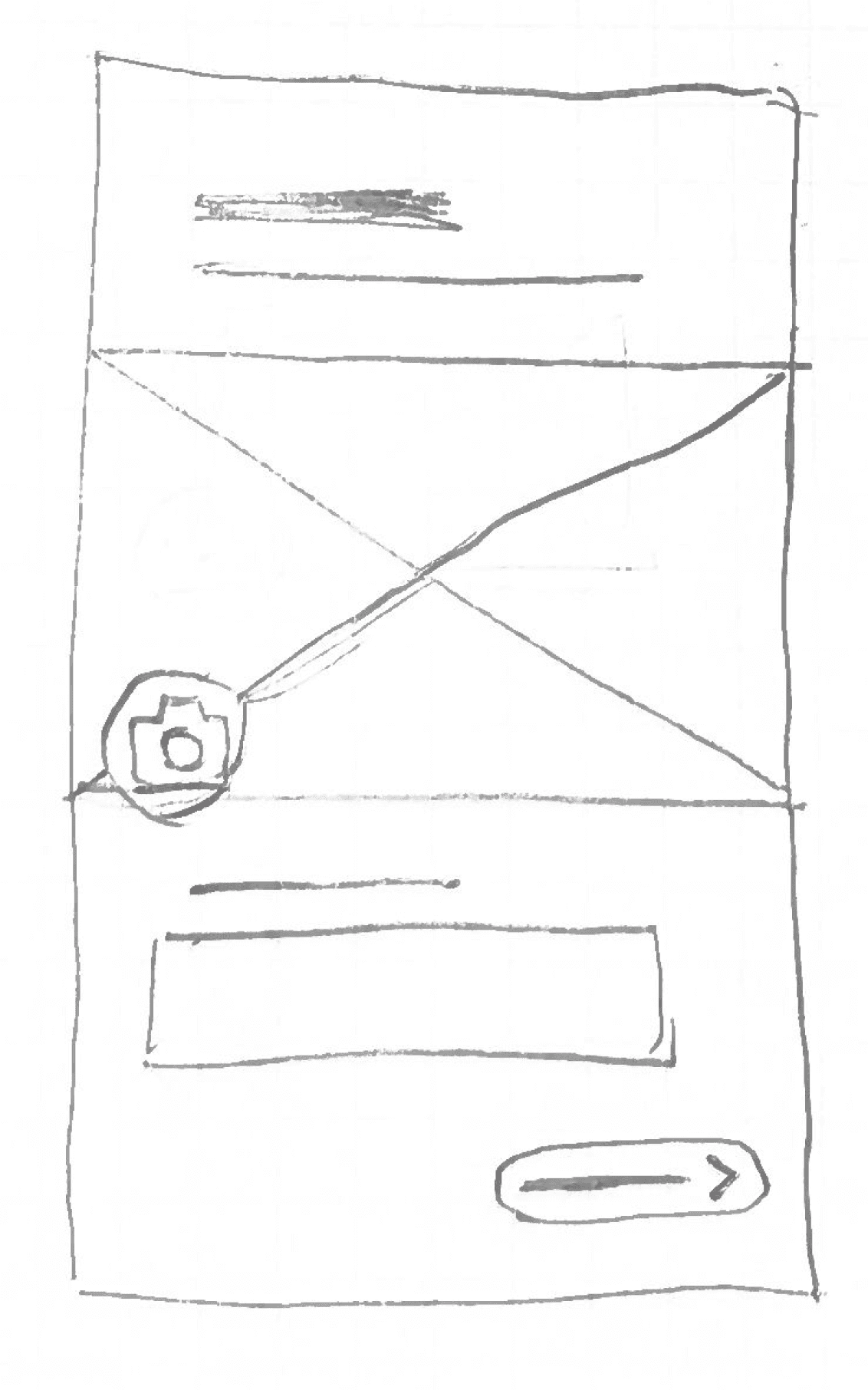
By replacing dry mission data with a human-centric Group Photo, the design offers a powerful sense of closure. This visual contrast sublimates the experience into a "Hero's Journey," validating the volunteer's effort.

Ultimately, this feature supports WeHere's deeper goal:
Empowering Survivors to Heal Through Altruism and Break Free from Guilt.
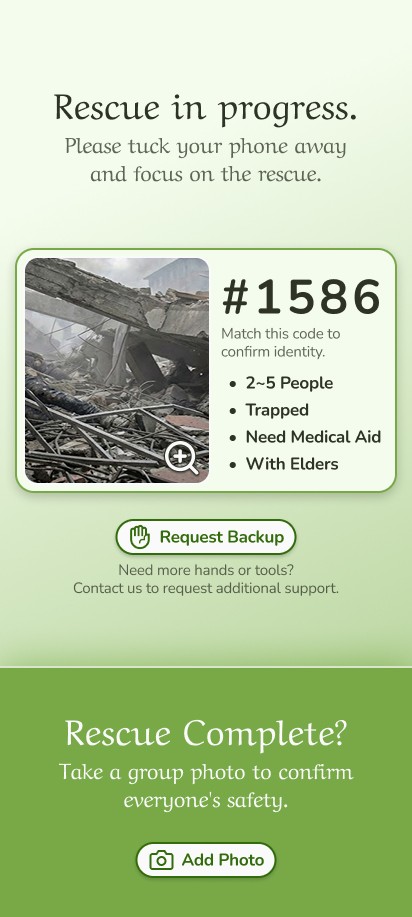
Changes into:

Changes into:

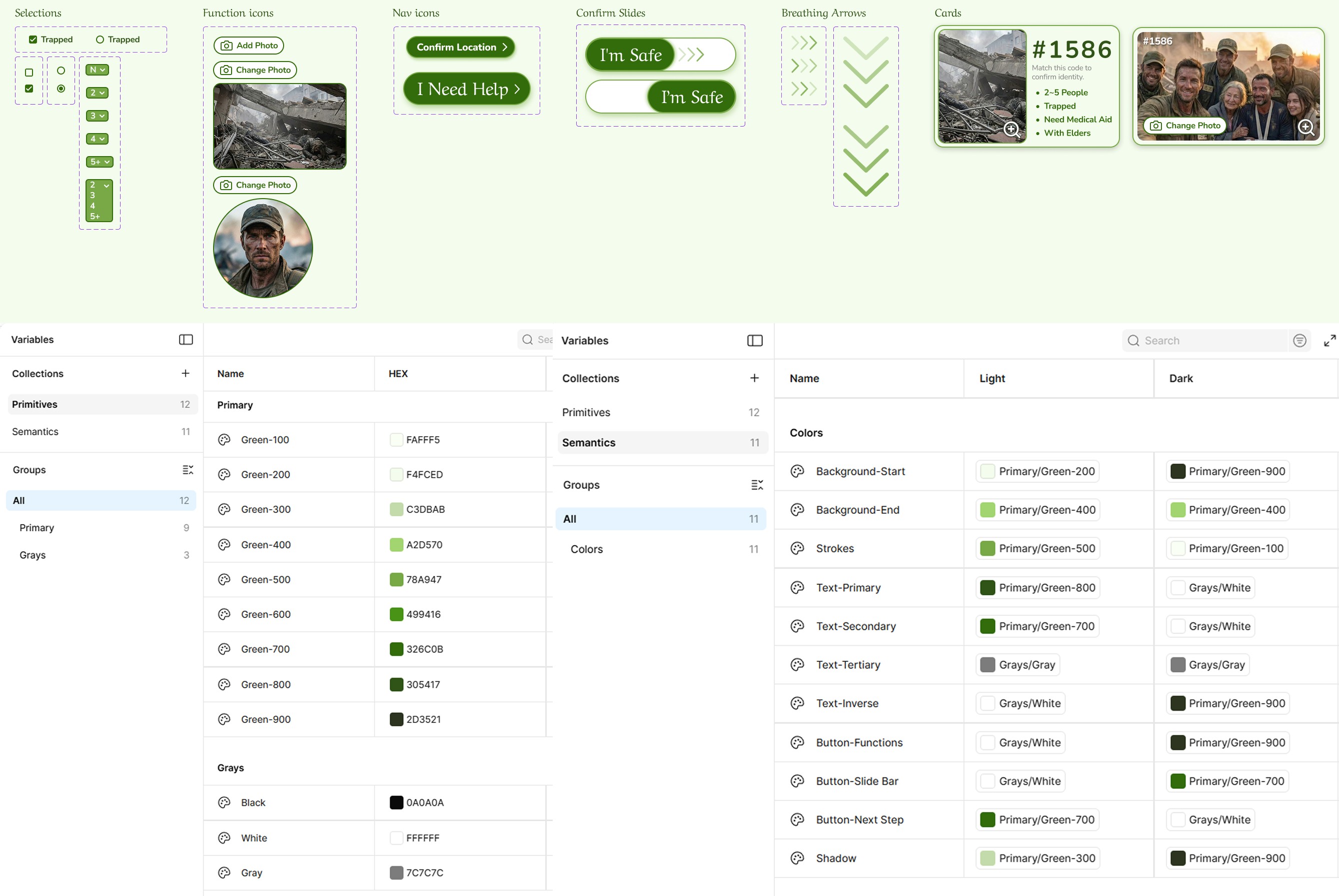
  1. Design System

  1. Typography:
  1. Typography:

Aref Ruqua Ink

A friendly serif with a soft, handwritten touch.
Selected for Emotive Headings and Self-Declaration icons to establish a comforting, human tone.

Nunito

Nunito

A rounded sans-serif with a proportionate structure.
Applied to Body Text and UI Details to ensure high legibility while maintaining warmth and approachability.

b. Interaction: Slide to Confirm

b. Interaction: Slide to Confirm

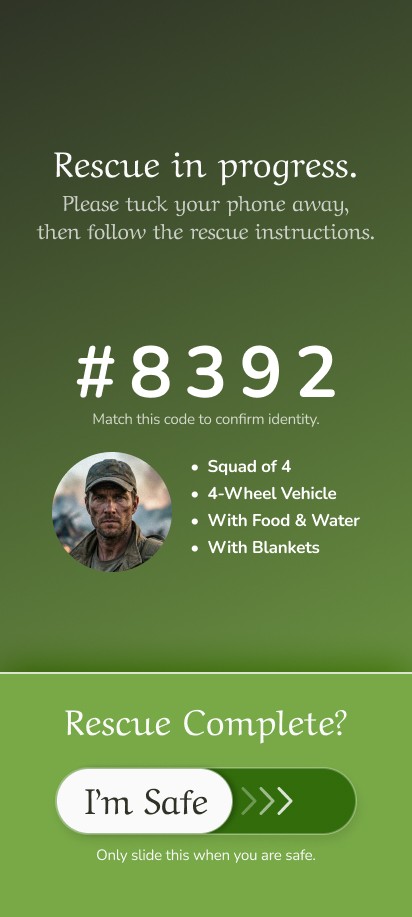
In chaotic rescue environments, accidental triggers are a constant risk. The Sliding Bar requires a deliberate gesture, acting as a Physical Safety Lock.

It ensures that Critical and Irreversible Decisions are only sent when the user acts with full intent.


c. Color Strategy: Functional & Emotional Harmony

c. Color Strategy:
Functional & Emotional Harmony

c.

Color Strategy: Functional & Emotional Harmony

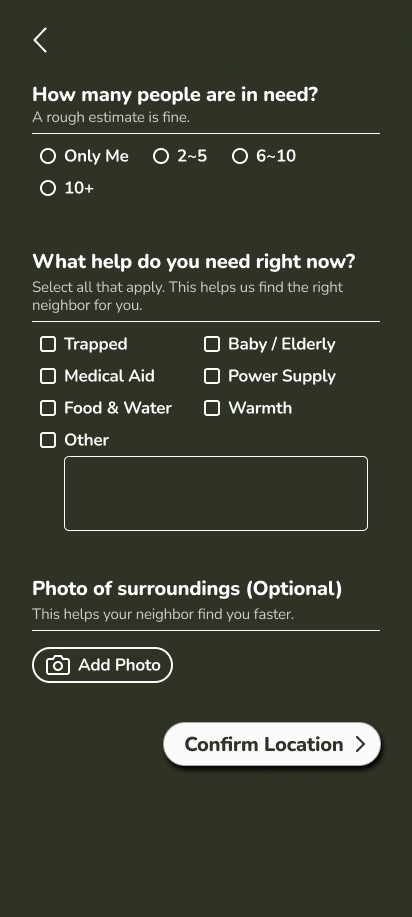
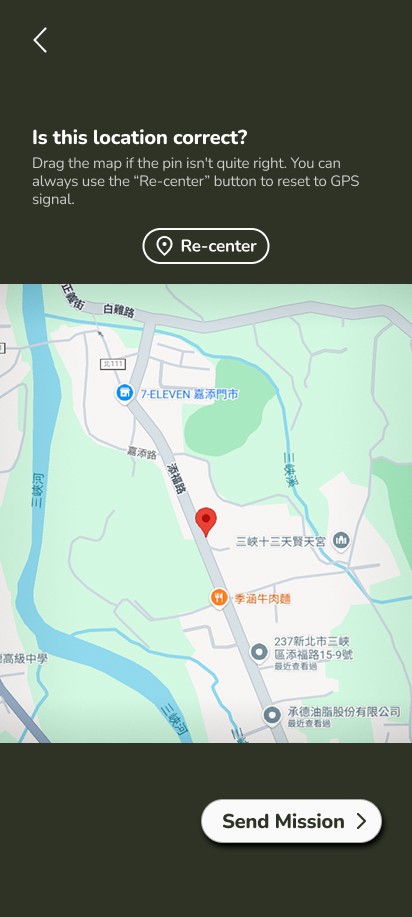
A calming Green Palette reduces tension in high-stress situations for both roles.

Victims start in Dark Mode—a strategic choice to save OLED battery life while waiting. As the rescue progresses, the screen brightens to Grass Green, acting as a beacon of hope.

Volunteers start in Light Mode for clarity. However, when the mission succeeds, their screen also turns to Grass Green. This transition visually Bridges the Connection between the rescuer and the survivor in a shared moment of safety.
Product Demos

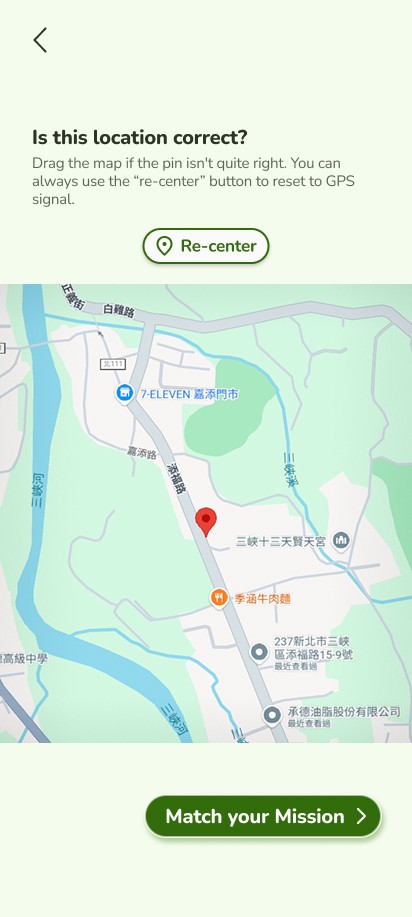
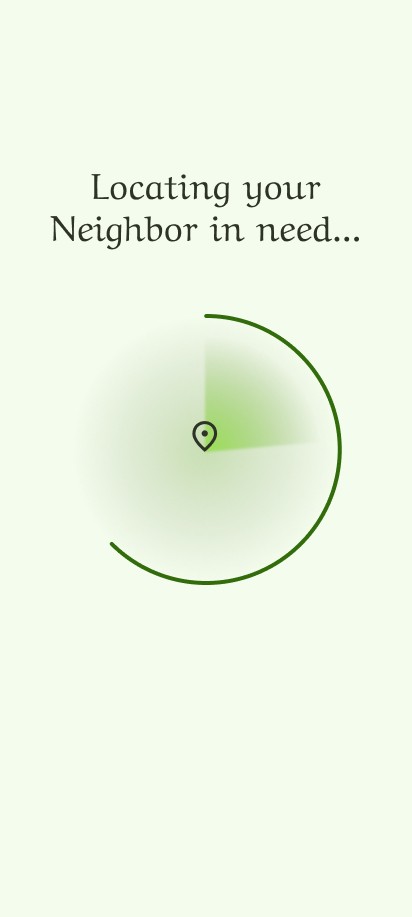
  1. Interactive Hi-Fidelity Prototype (App)

  1. System Dashboard Mockup (Website)

From "I" to "Everywhere"

This project began with a core challenge:
How might we bridge the gap between a cry for help and a helping hand?

Through the design process, I realized the answer wasn't just about speed, but about Designing Trust. I moved beyond a simple "Uber for Rescue" by introducing intentional friction—like the Match Code—to build a secure infrastructure. By empowering "Victims" to evolve into "Volunteers," I aimed to transform a scattered group of survivors into a Resilient, Self-healing Ecosystem.

While this framework is grounded in historical data, I humbly acknowledge that the true test lies in the unpredictable reality of a crisis. Yet, the vision behind WeHere stands firm: technology’s role is to awaken the resilience already present in our communities. It is a promise that no one has to wait alone in the dark.

Because We're Here, Hope is Everywhere.
Please contact with me via LinkdeIn or Gmail for any questions or opportunities. Thanks for stopping by.

Please contact with me via LinkdeIn or Gmail for any questions or opportunities. Thanks for stopping by.

Please contact with me via LinkdeIn or Gmail for any questions or opportunities. Thanks for stopping by.